2026–2027 HSBDC Scholar Internship
Scholar Internship Pathway
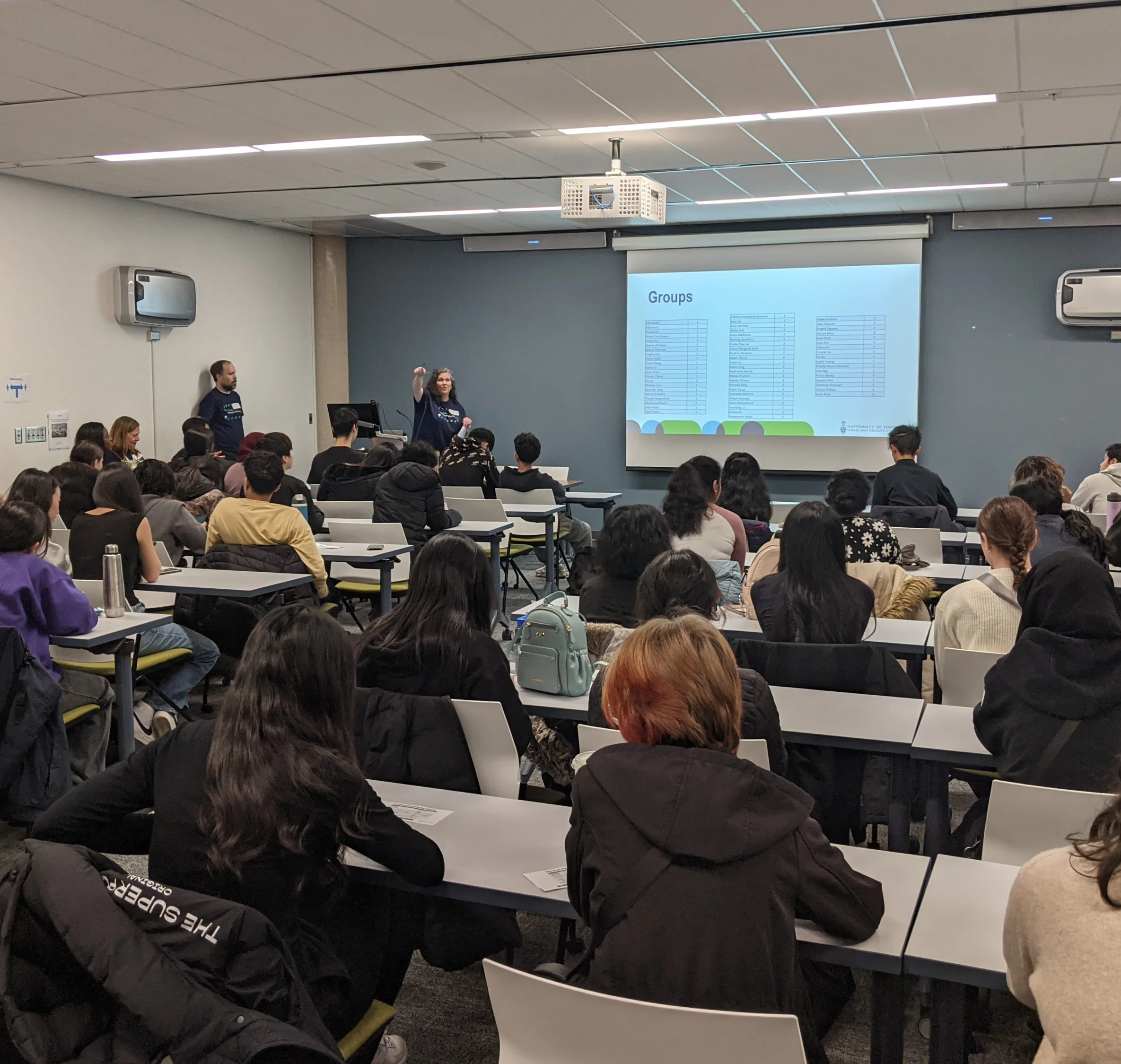
HSBDC Scholar Internship is a four-month blended experiential-learning program for high school and CEGEP students. Participants attend weekly in-person university sessions and take online Cisco Networking Academy and Google classroom lessons.
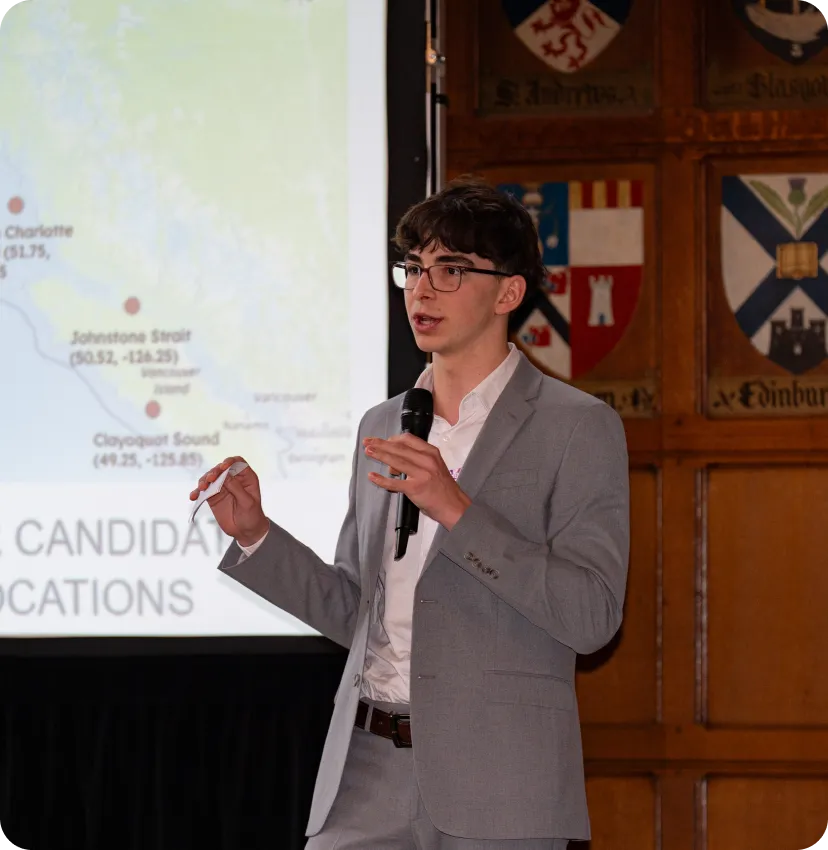
They cover Data Science Essentials with Python course with industry-level certification, receive scholarly research mentorship and hands-on experience conducting an original open-data and AI research project in an agile team that leads to an academic conference and publication in a peer-reviewed journal.
Build a university-ready research portfolio through data science, AI inquiry, scientific writing and academic presentation.
Why Choose Scholar Internship?
Who This Pathway Is For?
High school and CEGEP students seeking to stand out on competitive university applications
Students seeking scholarly mentorship in research and science communication
Students building a university-oriented research portfolio
How the Scholar
Internship Pathway Works
1. Register
Register as an individual participant. Participate in weekly university sessions and online classes. 
2. Certification
Complete Cisco Networking Academy Data Science Essentials with Python training and certification.
3. Research
Join mentor facilitated research teams and learn the fundamentals of agile research team work: defining the research topic connected to the annual HSBDC theme and developing the topic-related literature review.
4. Investigate
Conduct an original open-data and AI investigation, interpret patterns and develop evidence-based recommendations.
5. Present
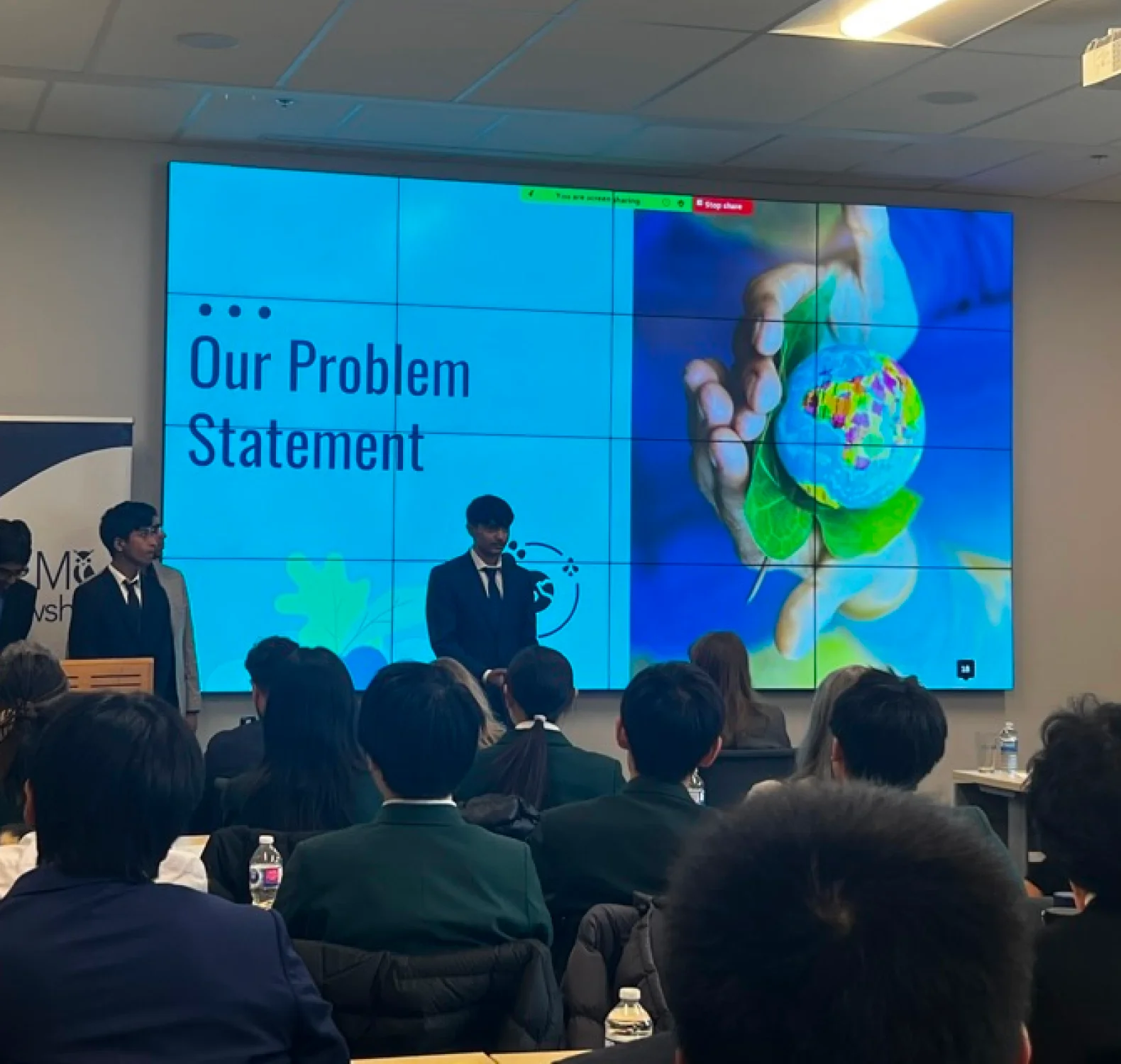
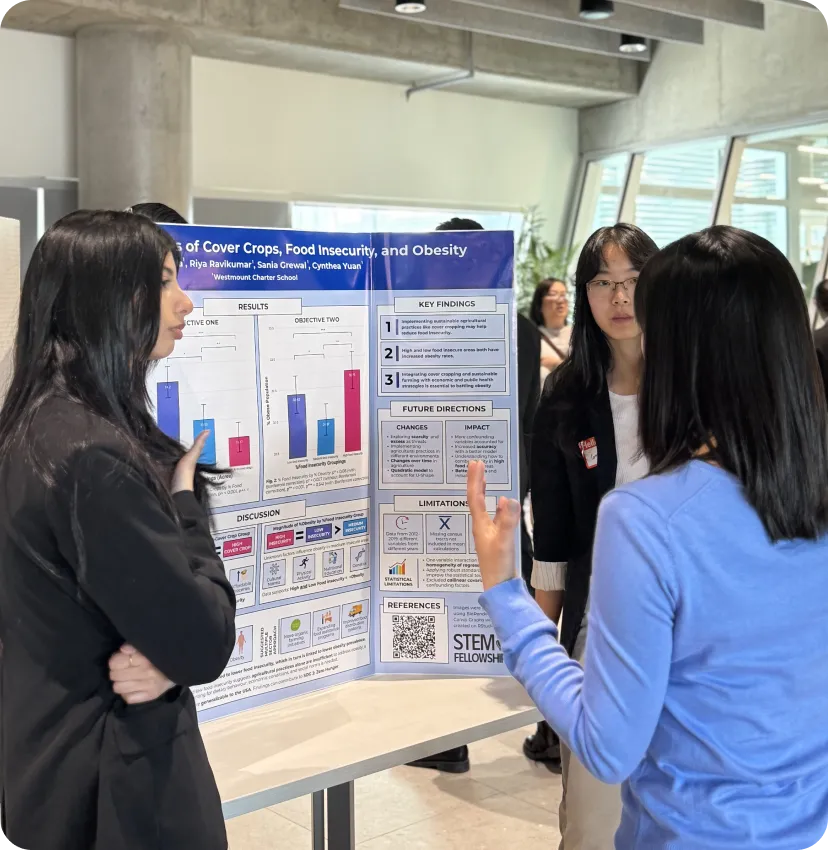
Submit team project manuscript, digital poster, and 5-min YouTube research explanation, then prepare a physical poster and three-minute one-slide thesis presentation for an HSBDC conference.
2026–2027 Challenge Theme
Preserving Biodiversity and Advancing Land’s Environmental Resilience Using Open Data, Satellite Intelligence and AI
Students investigate how open environmental data, satellite intelligence and AI can address invasive species, wildfire risk, ecosystem health and land resilience. Teams analyze real-world datasets to identify patterns, predict risks and propose sustainable solutions.
United Nations’ Sustainable Development Goal 2: Zero Hunger
Sample Research Directions
Predicting wildfire risk using satellite-derived environmental indicators
Mapping the impact of climate change on wildfire frequency and intensity
Analyzing infrastructure vulnerability to invasive species using geospatial data
Evaluating early wildfire or invasive-species detection systems using satellite imagery
Designing data-driven land-management strategies that strengthen land resilience
United Nations’ Sustainable Development Goal 2: Zero Hunger
Registration & Fee
It includes:
Cisco Academy Data Science Essentials with Python training and certification.
Weekly university‑level academic instruction in data science, AI inquiry, and scientific communication.
Mentored research ideation, literature review, open‑data search, analysis, and data visualization.
Scientific writing instruction with hands‑on manuscript development.
Experience working in an agile, interdisciplinary research team.
Access to open datasets and industry‑level tools used in the challenge.
Conference participation, including poster presentation and one-slide, three-minute thesis presentation for conference participation.
Scholarly abstract publication in conference proceedings
$980
per participant
Register for Scholar Internship
*All prices are in Canadian dollars
Important dates
Sep 1, 2026
(at 11:59 PM ET)
Registration opens
TBD
Program Q&A Session
Oct 18, 2026
(at 11:59 PM ET)
Registration Deadline
Oct 18, 2026 - Jan 10, 2027
(at 11:59 PM ET)
Program and Research Period
Jan 10, 2027
(at 11:59 PM ET)
Manuscript Deadline
Jan 17, 2027
(at 11:59 PM ET)
Poster and Slide Deadline
Feb 5, 2027
(at 11:59 PM ET)
Canada West Conference
Hunter Hub, University of Calgary
Feb 12, 2027
Canada East Conference
Hart House, University of Toronto
Feb 20, 2027
Francophone/Bilingual Conference
West Island College, Montreal
STEM Fellowship owl mascot teaching with pointer symbolizing guidance and education
Conference, Publication and Awards
Conference
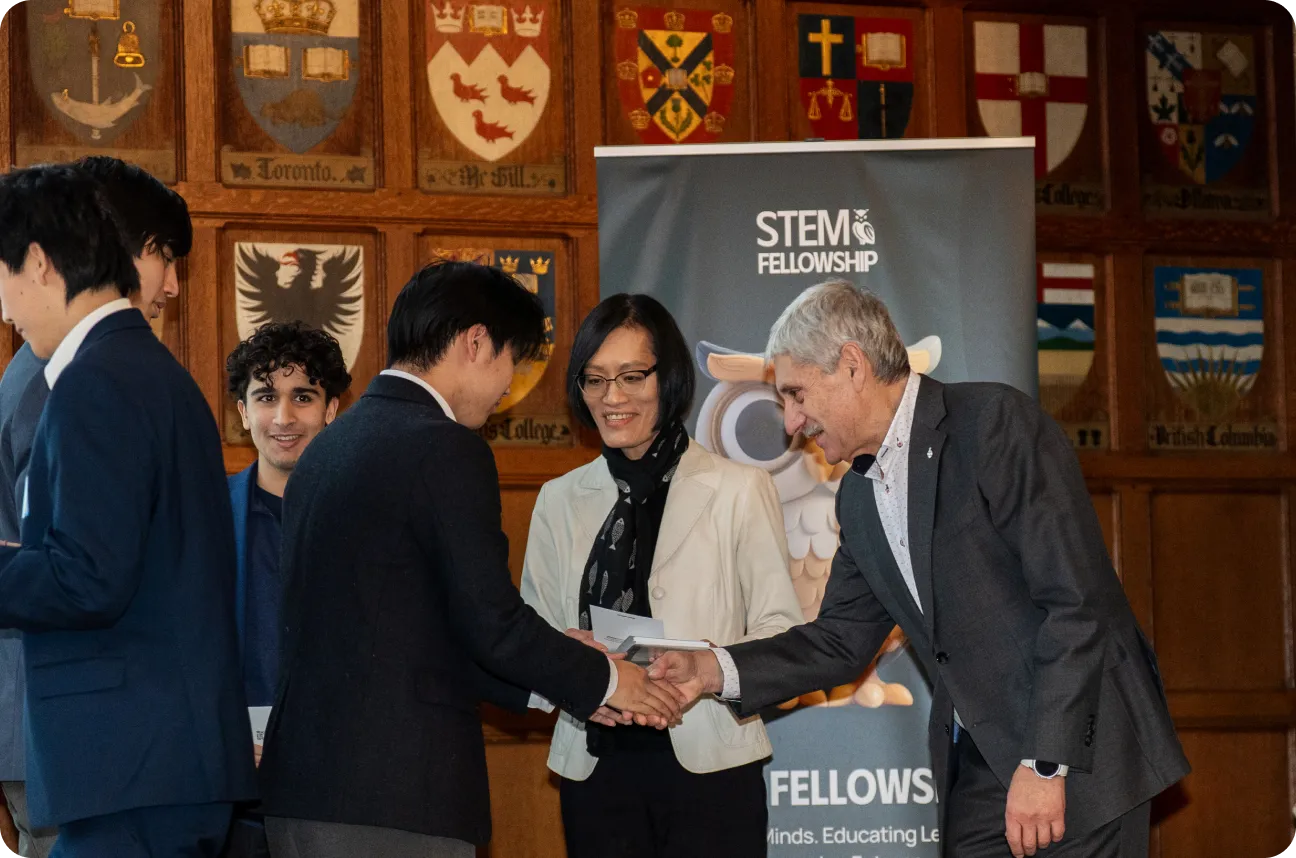
Toronto, Calgary and Montreal. Attendance is optional but required for prizes.
Conference
Toronto, Calgary and Montreal. Attendance is optional but required for prizes.
Conference
Toronto, Calgary and Montreal. Attendance is optional but required for prizes.
More about the program
Sponsors & Stakeholders
The 2026–2027 HSBDC sponsor and stakeholder network includes financial, educational, academic, and industry organizations generously supporting, contributing expertise, learning resources, conference venues and student awards.
Let's Talk Science LogoLet's Talk Science LogoCisco LogoCanada Science Publishing logoUniversity of Calgary logoNRC Canada logoRBC logoUniversity of Toronto
Build your university-ready research experience
Develop an original research project, complete Data Science Essentials with Python certification and present your work in an academic conference setting
Frequently Asked Questions
1. What is the National High School Big Data & AI Challenge?
Each team submits a research abstract, manuscript, 5-minute YouTube research pitch, and digital poster. Teams also prepare a physical research poster and three-minute/one slide thesis presentation for conference participation.
2. Will student work be published?
Team abstracts are published in the peer-reviewed academic STEM Fellowship Journal as part of the conference proceedings. The full manuscript of the winning team of the scholarly publication award gets published as a separate paper.  Those interested in scholarly publication of their full project report are welcomed to submit through the Journal’s standard editorial process.
3. Are awards available?
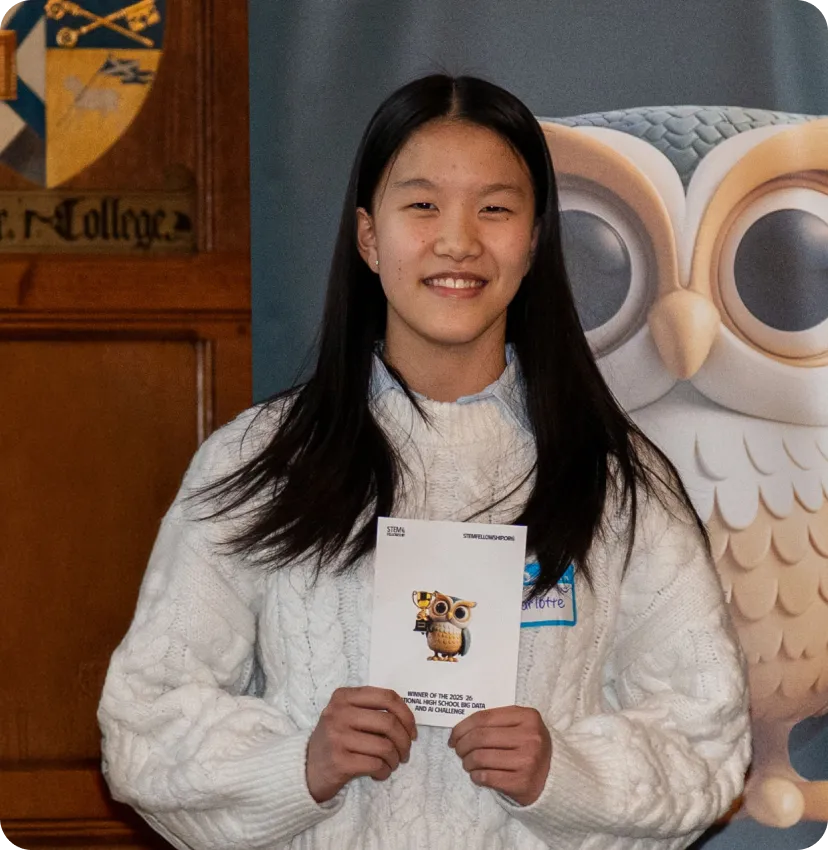
Yes. Participants are eligible for research-poster, three-minute thesis presentation and manuscript awards. Final prize amounts and award conditions will be published when confirmed.
4. May participants choose their regional conference?
Yes. Participants may choose the national conference they would like to participate in. Unfortunately, multiple conference participation is not budgeted in the participation fees.
5. Is conference attendance required?
Conference attendance is optional. It is required to compete for prizes. Abstract publication in the conference proceedings does not depend on attending the conference event.
6. What are the registration, payment, and cancellation deadlines?
Registration and payment are due by October 18, 2026, at 11:59 PM ET. Participants may cancel their registration until October 17, 2026, at 11:59 PM ET.
7. Where can I find pathway-specific fees and learning details?
Pathway-specific fees, learning models, support and registration information are provided on the Scholar Internship Pathway and Independent Research Pathway pages.
8. What is the expected weekly time commitment?
Scholar Internship participants should expect to spend around 6 hours per week + 2 hours for the weekly academic session. Independent Research participants plan experiential learning and research on their own.
9. Do I need a high-performance computer to participate?
Yes. Participants are eligible for research-poster, three-minute thesis presentation and manuscript awards. Final prize amounts and award conditions will be published when confirmed.
Questions?
We've got answers!
bigdata@stemfellowship.org
for general Inquiries