2026–2027 HSBDC Independent Research
Independent Research Pathway
Lead your own open-data and AI research project
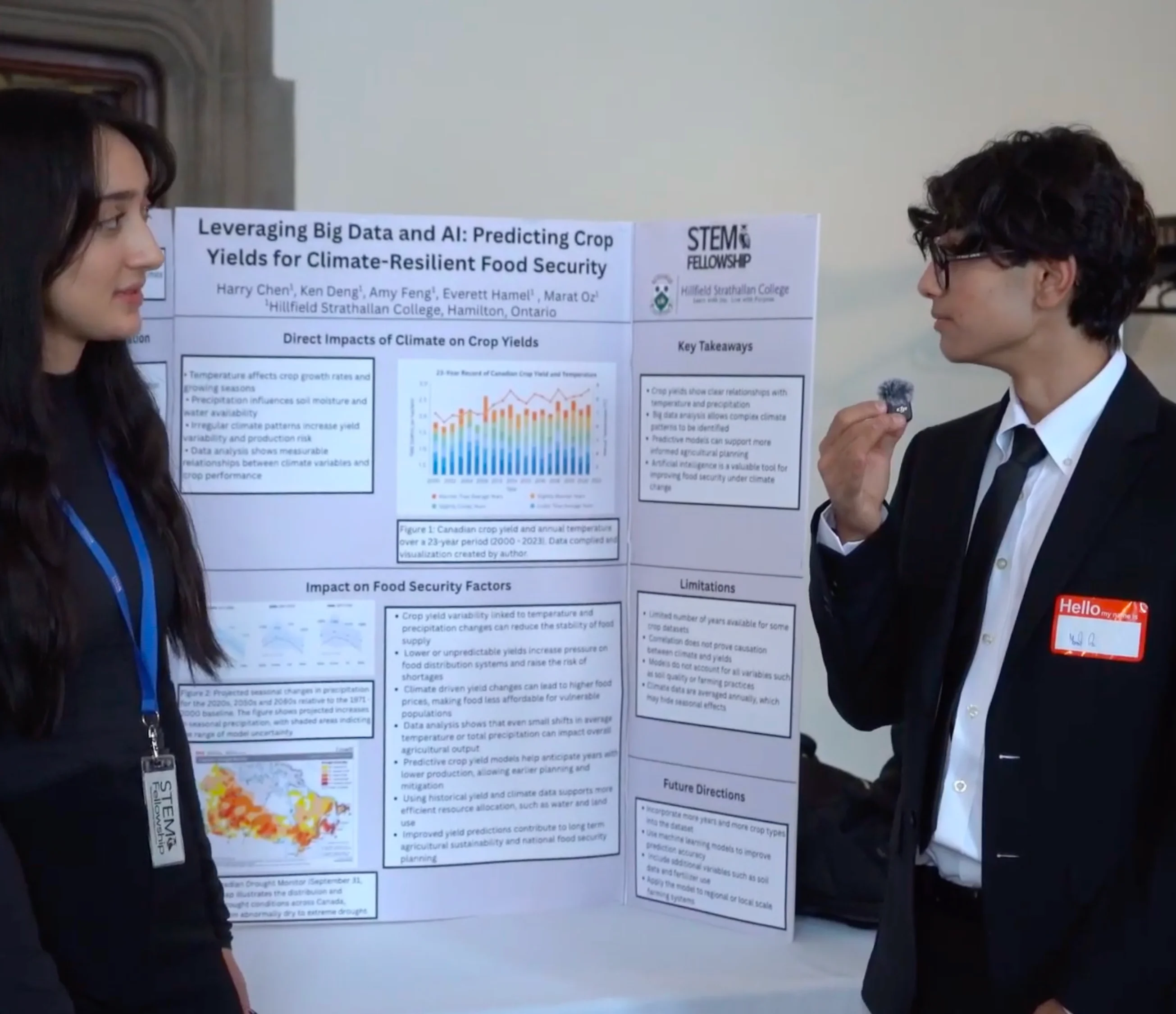
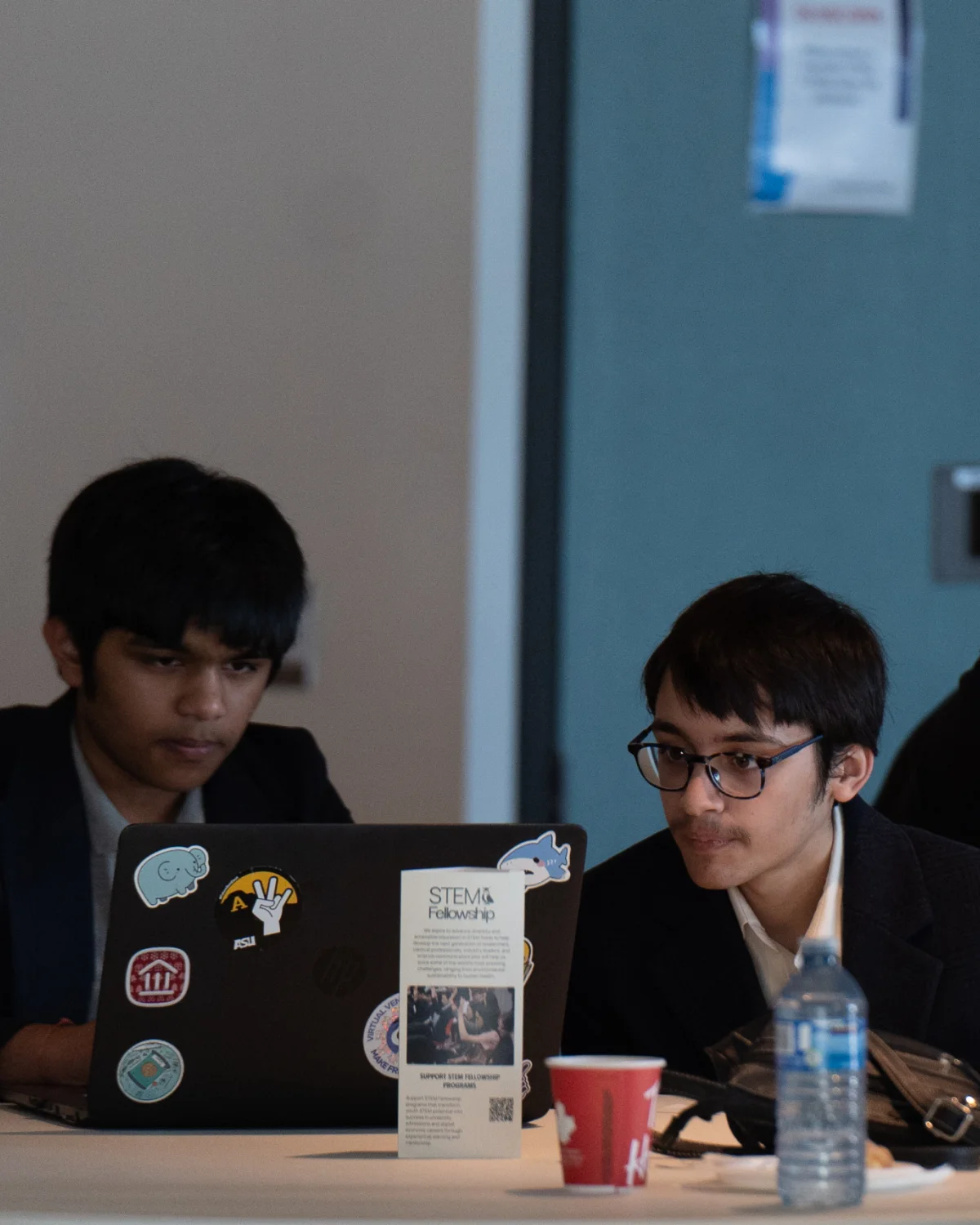
Participants form a team of up to five students to investigate an open environmental and socioeconomic data carting out a scholarly research project using analytics, AI and science communication resources.
HSBDC Independent Research Pathway is a four-month self-paced inquiry program for high school and CEGEP students.
Why Choose Independent Research?
Who This Pathway Is For?
High school and CEGEP students who already have a team or are ready to form one
Teams that prefer a self-paced workflow at affordable participation rate
School clubs or teacher/parent-supported teams organizing a shared research project
Students prepared to manage research, writing and submission milestones as a team
How the Independent
Research Pathway Works
1. Register
Register a team of up to five students during the registration period
2. research Focus
Choose a research question connected to the annual environmental-resilience theme, carry out literature review, and identify appropriate open data for research
3. Analysis Prep
Use STEM Fellowship recorded workshops, open datasets, analytics and AI tools of your choice to support the project
4. Investigate
Analyze the data, interpret findings and develop an evidence-based solution or recommendation
5. Present
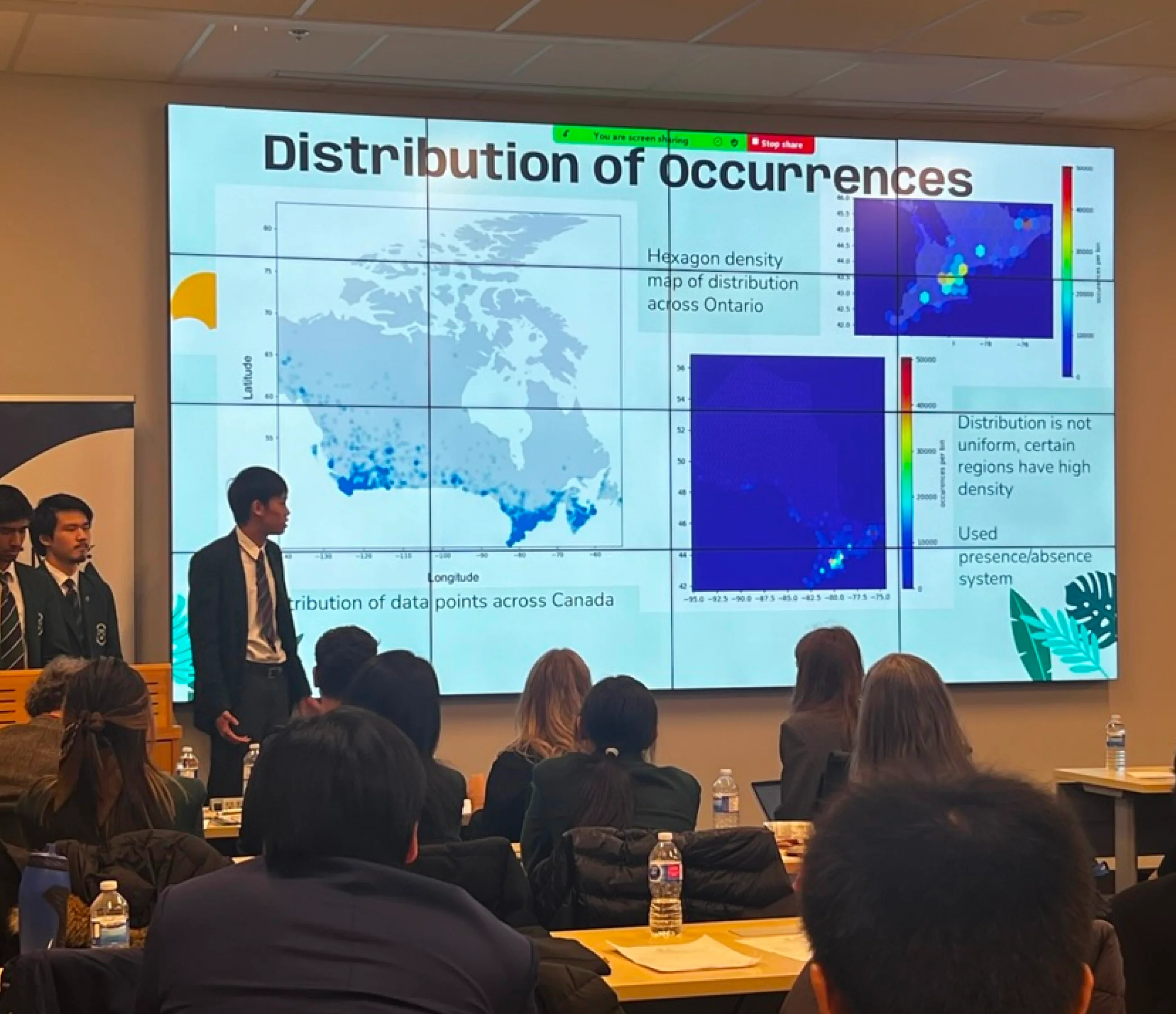
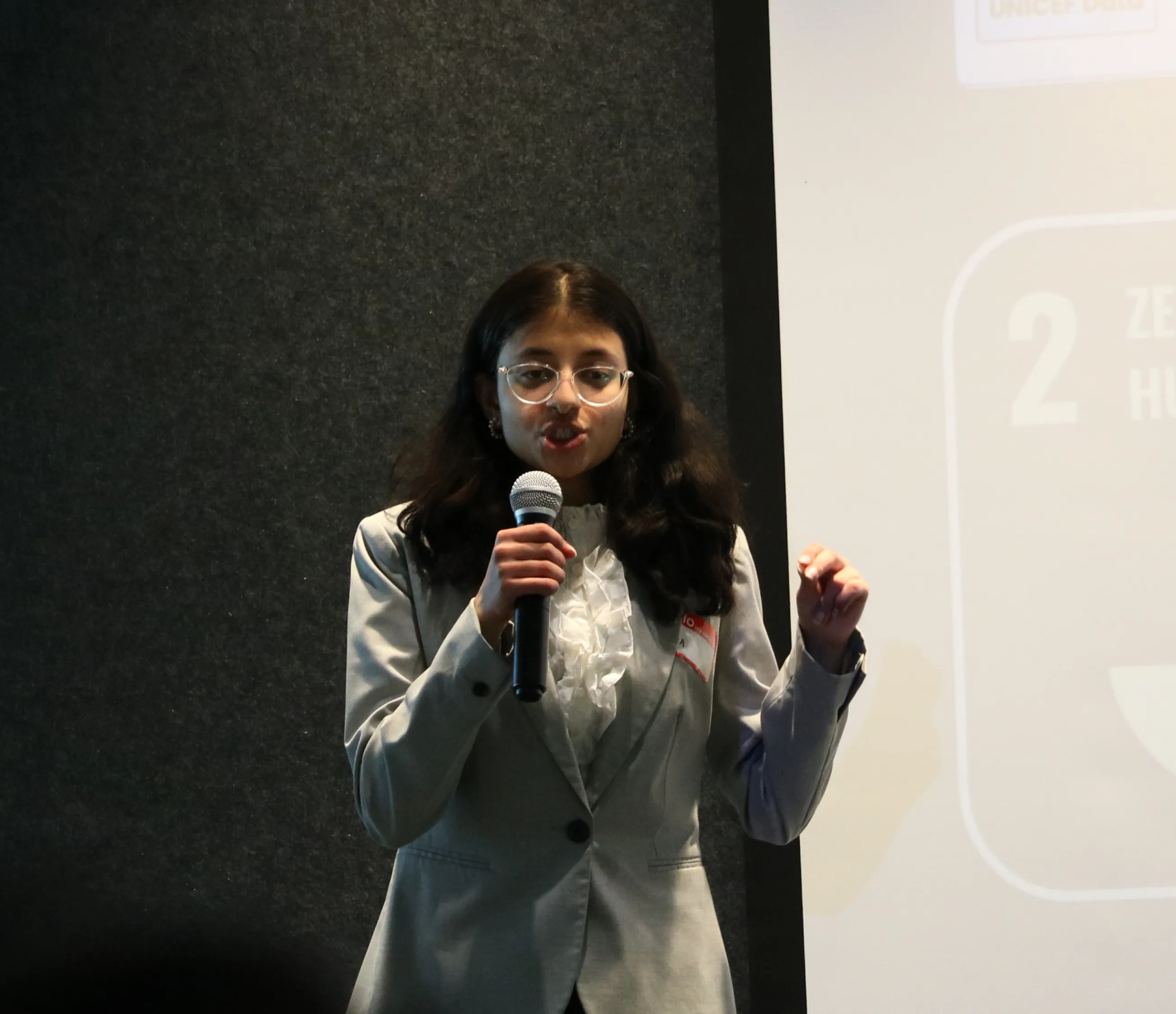
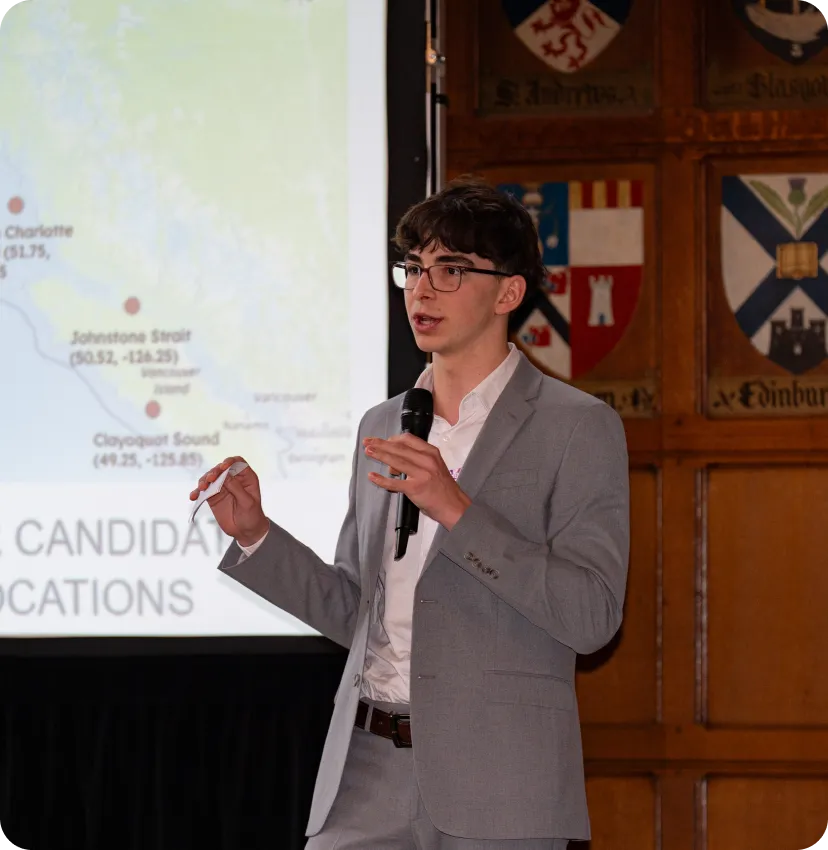
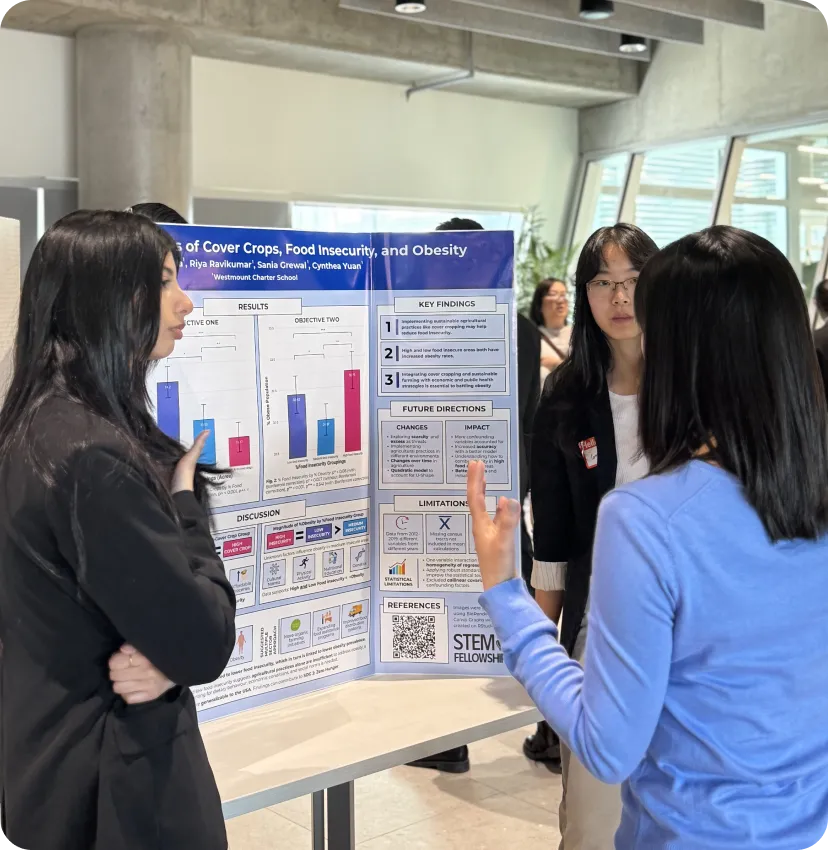
Submit the team project manuscript and 5-minute YouTube presentation of research findings, then prepare a physical research poster and one-slide three-minute thesis presentation for an HSBDC conference
2026–2027 Challenge Theme
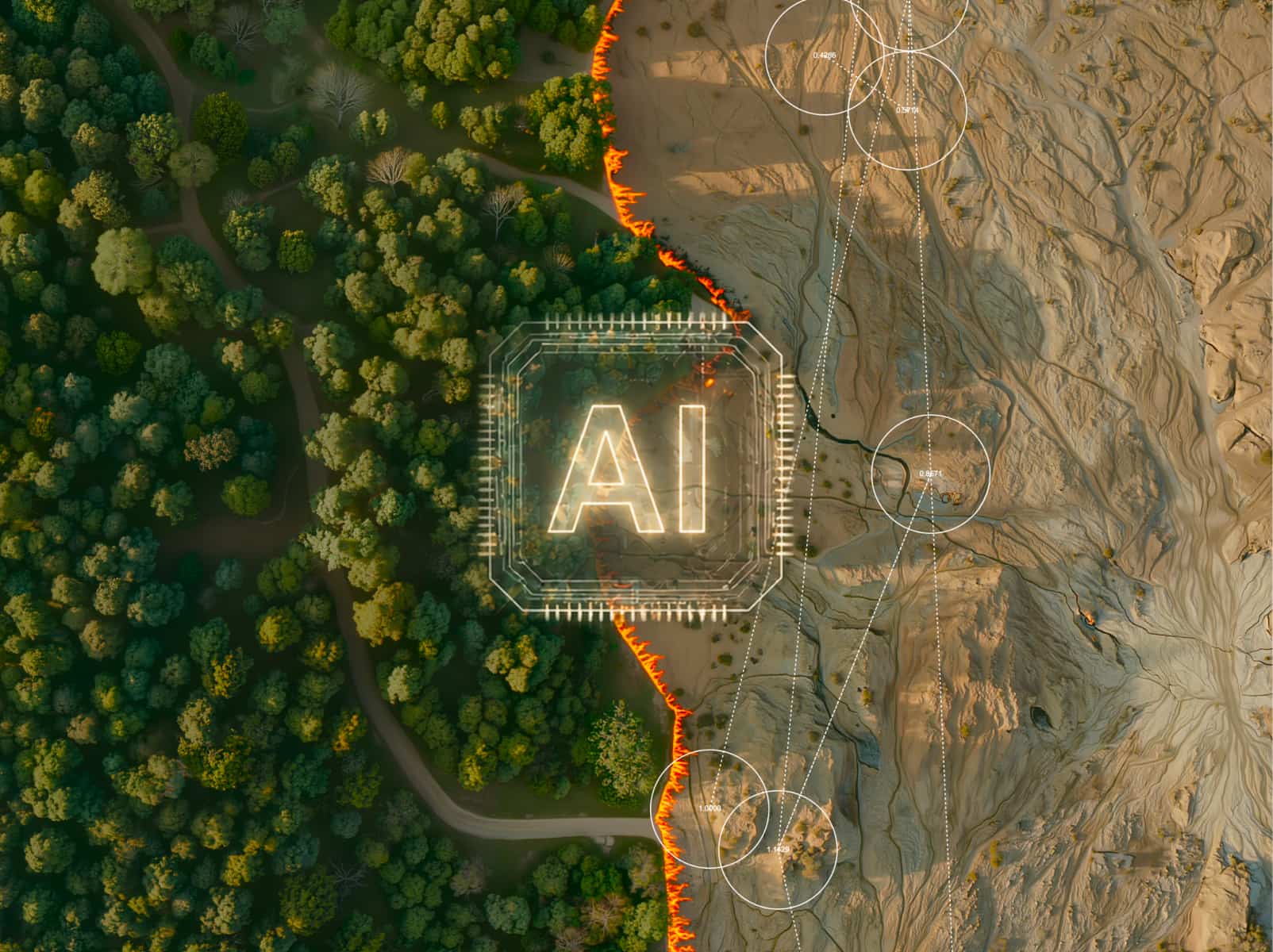
Preserving Biodiversity and Advancing Land’s Environmental Resilience Using Open Data, Satellite Intelligence and AI
Teams investigate a research question of their choice using satellite imagery, climate, land-cover, biodiversity, demographic or socioeconomic data. The goal is to identify patterns, predict risks and propose sustainable, data-driven solutions supporting biodiversity conservation, climate adaptation and resilient communities.
United Nations’ Sustainable Development Goal 2: Zero Hunger
Sample Research Directions
Predicting wildfire risk using satellite-derived environmental indicators
Mapping the impact of climate change on wildfire frequency and intensity
Analyzing infrastructure vulnerability to invasive species using geospatial data
Evaluating early wildfire or invasive-species detection systems using satellite imagery
Designing data-driven land-management strategies that strengthen land resilience
United Nations’ Sustainable Development Goal 2: Zero Hunger
Registration & Fee
It includes:
Online recorded workshops supporting data science, AI and science communication.
Links to real‑world datasets relevant to the annual environmental‑ resilience theme.
A student‑led research workflow where teams assign responsibilities and manage milestones.
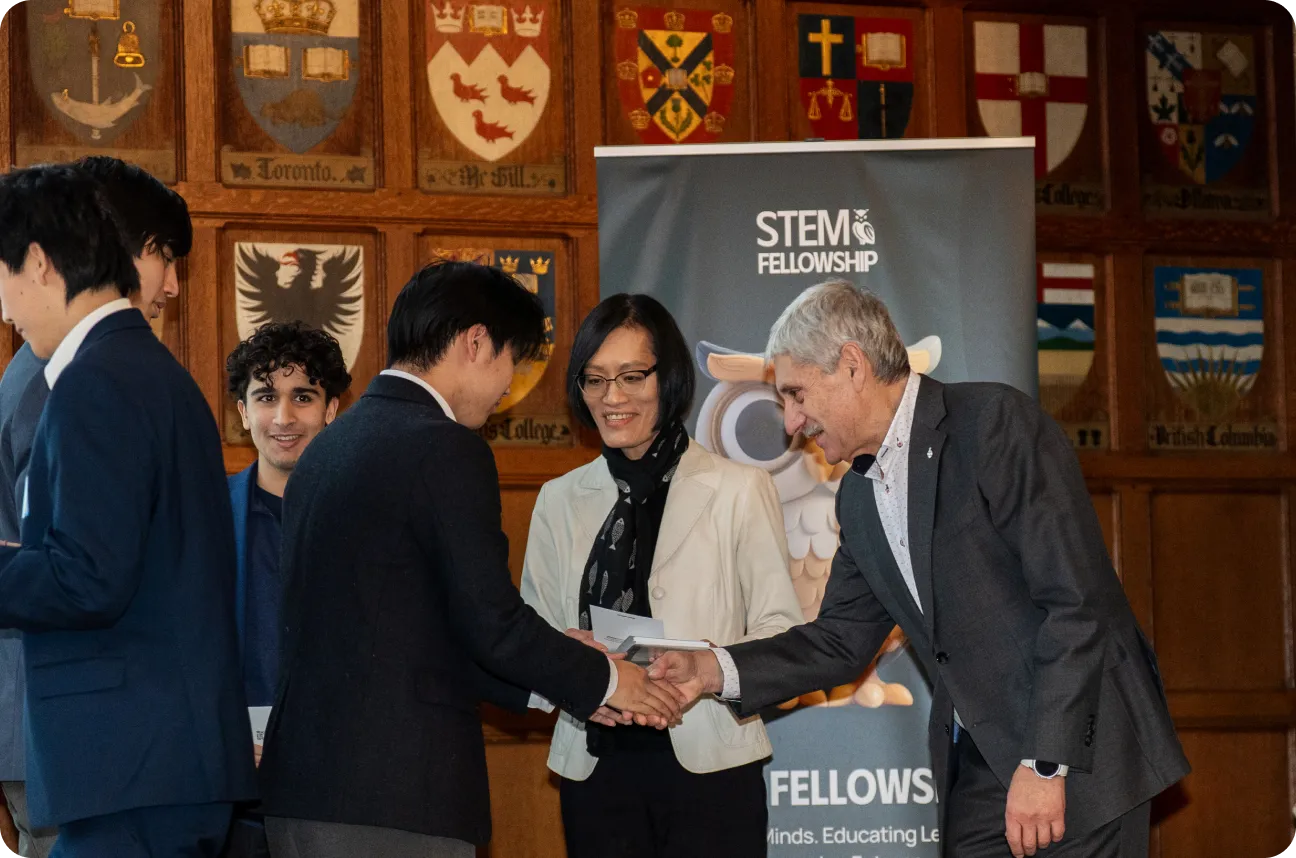
Guidelines and an opportunity to present a research poster and a three‑minute thesis at the HSBDC conference.
Conference participation, including poster presentation and one-slide, three-minute thesis presentation for conference participation.

$250
per participant
Register for Independent Research
*All prices are in Canadian dollars
Important dates
Sep 1, 2026
Registration opens
TBD
Program Q&A Session
Oct 18, 2026
Registration Deadline
Oct 18, 2026 - Jan 10, 2027
Program and Research Period
Jan 10, 2027
Manuscript Deadline
Jan 17, 2027
Poster and Slide Deadline
Feb 5, 2027
Canada West Conference
Hunter Hub, University of Calgary
Feb 12, 2027
Canada East Conference
Hart House, University of Toronto
Feb 20, 2027
Francophone/Bilingual Conference
West Island College, Montreal
STEM Fellowship owl mascot teaching with pointer symbolizing guidance and education
Conference, Publication and Awards
Conference
Toronto, Calgary and Montreal. Attendance is optional but required for prizes.
Conference
Team abstracts are published in the STEM Fellowship Journal conference proceedings.
Conference
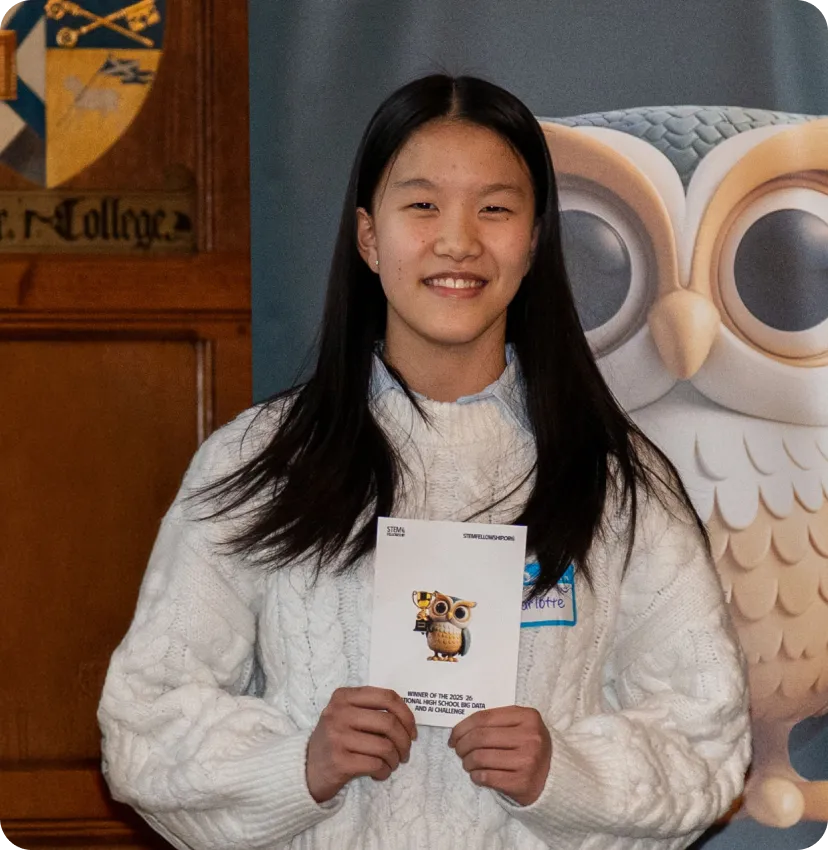
Scholar Internship participants are eligible for poster, three-minute thesis presentation and manuscript publication awards.
More about the program
Sponsors & Stakeholders
The 2026–2027 HSBDC sponsor and stakeholder network includes financial, educational, academic, and industry organizations generously supporting, contributing expertise, learning resources, conference venues and student awards.
Let's Talk Science LogoLet's Talk Science LogoCisco LogoCanada Science Publishing logoUniversity of Calgary logoNRC Canada logoRBC logoUniversity of Toronto
Ready to Lead Your Own Research Project?
Form a team, choose a research question and use open data and AI to develop evidence-based ideas for biodiversity conservation, wildfire prevention and stronger land resilience.
Frequently Asked Questions
2. How are team responsibilities and research workflow managed?
Independent Research is a self-paced, student-led pathway. Unlike Scholar Internship, it does not include weekly university instruction, dedicated scholarly mentorship, or Cisco certification. Instead, students manage their own workflow using provided recorded workshops, open-access datasets, and industry-level tools.
2. How are team responsibilities and research workflow managed?
Independent Research teams are fully autonomous. Students manage their own timeline, assign internal roles (for data analysis, scientific writing, project coordination, and presentation preparation), and track their own project milestones.
3. What is included in the Independent Research pathway?
The pathway includes access to recorded workshops on selected research topics, open-access datasets, analytical tools, entry into the academic conference, and official publication of your team's project abstract in the conference proceedings.
4. Will student work be published, and is full journal publication guaranteed?
Publication of the team’s project abstract in the STEM Fellowship Journal conference proceedings is included. Full project manuscript publication is an optional next step: teams may independently submit their full manuscript for the Journal’s standard peer-review process (subject to editorial review and publication fees).
5. Are awards available, and does STEM Fellowship cover travel expenses?
Yes! Independent Research teams are fully eligible to compete for poster, 3-Minute Thesis (3MT) presentation, and manuscript awards. However, STEM Fellowship does not cover travel, accommodation, meals, or accessibility expenses related to conference attendance.
6. When are registration, payment, and cancellation deadlines?
Registration and payment are due by October 18, 2026, at 11:59 PM ET. If you need to cancel your participation, the cancellation deadline is October 17, 2026.
7. What will be covered during the live Q&A session?
The live Q&A session will address program delivery, conference logistics, submission details, and general participation questions.
8. Where can I find general policies or contact the program?
General eligibility, award, publication, and participation policies are available on our Program Details page. For any further questions, email us at bigdata@stemfellowship.org.
Questions?
We've got answers!
bigdata@stemfellowship.org
for general Inquiries